Archives
- June 2018
- December 2017
- November 2017
- May 2017
- January 2017
- November 2016
- May 2016
- April 2016
- December 2015
- November 2015
- October 2015
- September 2015
- August 2015
- July 2015
- June 2015
- May 2015
- April 2015
- February 2015
- January 2015
- December 2014
- November 2014
- October 2014
- September 2014
- August 2014
- July 2014
- June 2014
- May 2014
- April 2014
- March 2014
- February 2014
- January 2014
- December 2013
- November 2013
- October 2013
- September 2013
- August 2013
- July 2013
- June 2013
- May 2013
- April 2013
- March 2013
- February 2013
- January 2013
- October 2012
- September 2012
- August 2012
- July 2012
- June 2012
- May 2012
- April 2012
- March 2012
- February 2012

Mar
24
2012
 2
2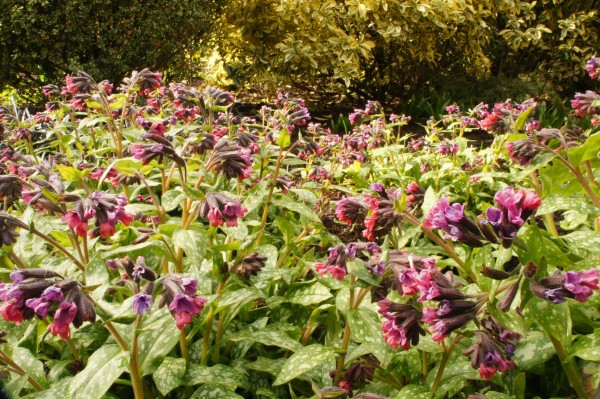
I guess I’ve never asked myself, nor has anyone asked me: what is my favorite perennial? If asked my favorite flower, I’d say have to say: tulip. If asked my favorite tree, I’d have to say: willow. If asked my favorite vegetable, I’d have to say: cabbage. Ask me again in come fall , and I’d have to say: New England aster, sugar maple and butternut squash. And then there are the many plants on which I cast my gaze on any given day and announce my favorite: camellias, oaks, flowering cherries, snapdragons, chard…. you get my drift.
Favorite is a very exclusive position. There is only one. Unless you amend and say: my 3 favorite flowers, my 5 favorite trees, my 10 favorite perennials. Of course, I would, no doubt, place these favorites in order of favorite-ness and #1 would be my favorite among the favorites. That’s why I like mixed borders, meadows, woodlands and prairies. They become in-exclusive wholes.
When I began putting a perennial class together for Molbak’s Garden + Home ( April 1, 11:30-12:30) I sifted through my photos, my notes and my very cluttered brain for some favorites, a favorite, if it were possible to decide.
My favorite, at least this month, is Pulmonaria sacchata ‘Margery Fish’. In one garden I made over 10 years ago I planted it as filler. I liked pulmonarias, but I didn’t love pulmonarias, would never have put them on a favorites list back then. I was younger had more of a taste for the unique and difficult; a taste for robust reds, yellows and oranges, not the noddingly pink and polka dotted. I planted pulmonarias anyway, I knew they are good perennials.
But as I become more of a gardner, which means I want to do less gardening, I’m considering pulmonarias great. Especially ‘Margery Fish’, which has rocketed to the top of my favorite perennials list.
Why?
Well… first and foremost is the foliage with its boraginous bristle and polka dots. Nearly evergreen in the Pacific Northwest I only give them 2 tidying trims a year and for 12 months they look great. After their blooming season, which lasts from end of February to mid-June here most years, I give them a hard whack with a hedging shears They bounce back quickly and look fresh until January when snow, rain and frost have finally won the battle against the incredibly sturdy foliage. At that time I literally rip off the old foliage making sure to not damage the new growth and flower buds. They are stars in the spring garden before the tulips begin for which they make a great back-up band, in summer their foliage takes on a tropical appearance especially when paired with coleus or begonias.
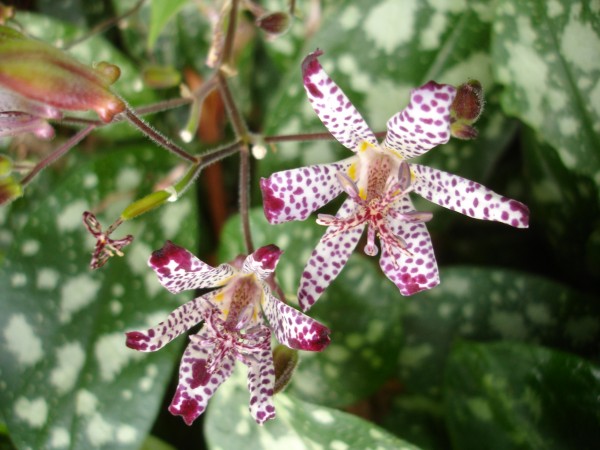
And come fall as the speckled toad lilies spill over them they move back up my favorite list, yet if you’d asked me then I’d say ‘September Ruby’ asters are.

